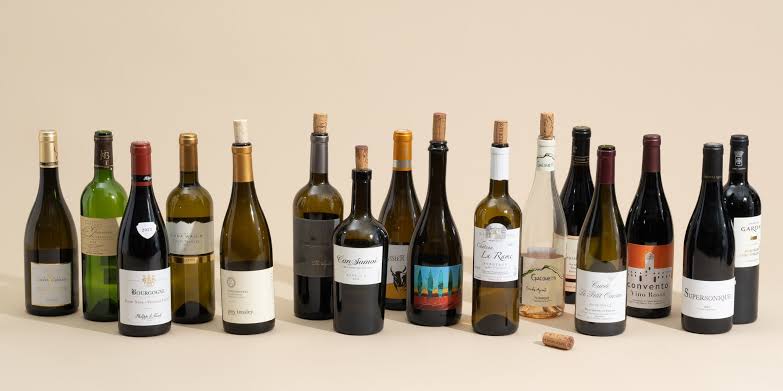
In recent years, the world of wine has witnessed a remarkable transformation, with private label wines emerging as a significant player in the market. These wines, produced under a retailer’s brand rather than a traditional winery, have become increasingly popular among consumers seeking quality and value. With personalized branding and unique offerings, private label wines cater to an evolving palate, making them a compelling choice for wine enthusiasts and casual drinkers alike.
The rise of private label wine reflects broader trends in consumer preferences, where individuality and authenticity are highly valued. Retailers, from local grocery stores to upscale boutiques, are leveraging private labels to differentiate their products and foster customer loyalty. This article delves into the fascinating world of private label wines, exploring their origins, production processes, and the reasons behind their growing appeal in the competitive wine market.
Origins and Production of Private Label Wines
Private label wines originated as retailers sought to create exclusive offerings that resonated with their customer base. By partnering directly with wineries or even establishing their own production facilities, retailers can curate a selection of wines that reflect their brand identity. This approach allows for a wide range of styles and varietals, making private label wines accessible to diverse wine drinkers. In many cases, these wines are crafted with careful attention to quality, using sustainable practices and local grapes, enhancing their appeal among eco-conscious consumers.
The Appeal of Personalization
The increasing fascination with Private Label Wine stems from the desire for personalized and unique experiences in every bottle. As consumers become more adventurous and informed about their wine choices, they often gravitate towards brands that offer authenticity and a story behind each label. Retailers add value to their private labels by often highlighting local winemakers or specific vineyard practices that resonate with their target audience. This distinctiveness not only captures the interest of wine enthusiasts but also builds a sense of community and loyalty among customers who appreciate the curated selections.
As the private label wine market continues to flourish, it is clear that these unique offerings are more than just a trend; they represent a significant shift in how consumers engage with wine. With a focus on quality, innovation, and personalized branding, private label wines are not only providing an affordable alternative to traditional bottlings but also cultivating a deeper connection between retailers and their customers. As wine drinkers increasingly seek out distinct flavors and stories behind their selections, the success of private label wines illustrates a growing desire for authenticity and individuality in every glass. This evolving landscape indicates that the future of wine consumption will likely continue to embrace these tailored experiences, enriching the wine community and transforming how we enjoy this timeless beverage.
About The Author