Red light therapy has become an increasingly discussed option for people interested in exercise, recovery, and general wellness. Also known as photobiomodulation, this non-invasive approach uses specific wavelengths of red and near-infrared light that interact with biological tissues. Researchers have explored its potential role in areas such as muscle recovery, exercise performance, temporary discomfort, and skin health.
As athletes and active individuals continue looking for ways to complement their training routines, light-based therapies have attracted attention. Red Light Therapy For Performance may have potential as part of a broader approach that includes proper training, nutrition, hydration, and adequate rest. However, research is still developing, and results can vary depending on the treatment method and individual.
Understanding the Science Behind Red Light Therapy
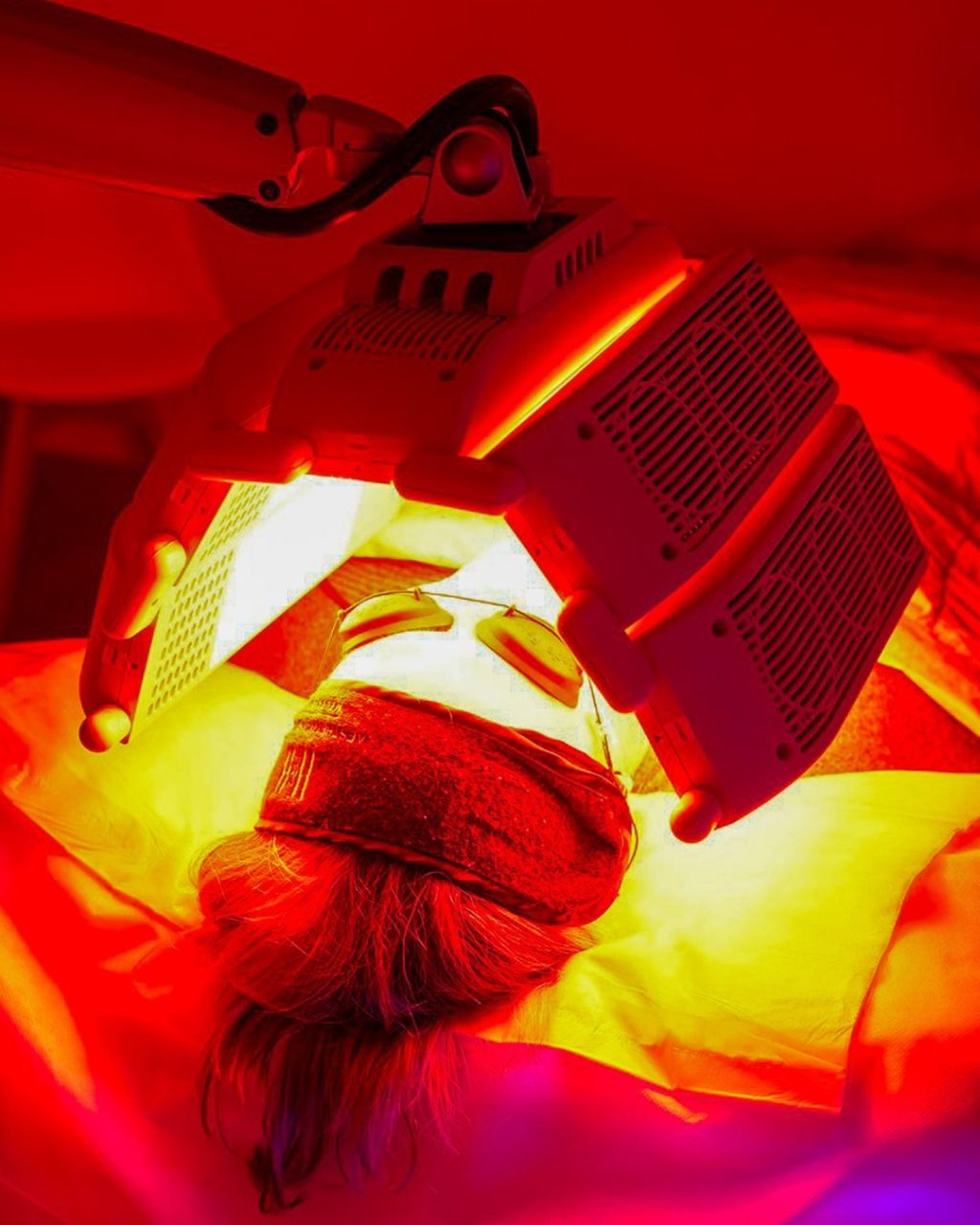
Red light therapy works through a process commonly referred to as photobiomodulation. Specific wavelengths of red and near-infrared light are delivered to the body, where they may interact with cellular structures.
Researchers have investigated whether this light exposure can influence mitochondrial activity and cellular energy production. One proposed mechanism involves adenosine triphosphate, or ATP, which provides energy for many cellular functions.
Other research has examined potential effects on inflammation, oxidative processes, and tissue recovery. The response can depend on factors including wavelength, light intensity, treatment duration, and the area being treated.
Red Light Therapy and Exercise Performance
Athletes are particularly interested in whether red light therapy can support physical performance. Research has explored potential effects on factors such as muscle function, fatigue, endurance, and recovery.
Some studies have produced encouraging findings, but results are not consistent across every type of exercise or treatment protocol. Therefore, red light therapy should not be viewed as a guaranteed way to improve athletic performance.
Instead, it may be considered a complementary option alongside established training and recovery strategies.
Supporting Muscle Recovery
Recovery plays an important role in maintaining a consistent exercise routine. High-intensity workouts can result in temporary muscle fatigue and soreness, which may affect subsequent training sessions.
Photobiomodulation has been investigated for its potential role in exercise recovery. Some research suggests that specific protocols may influence muscle soreness or recovery markers, although more research is needed to establish the most effective approaches.
Athletes should continue to prioritize adequate sleep, hydration, nutrition, and appropriate rest between demanding workouts.
Potential Support for Physical Discomfort
Red and near-infrared light have also been investigated for their potential effects on certain types of musculoskeletal discomfort. Researchers are studying whether photobiomodulation may influence inflammatory processes and other biological pathways associated with discomfort.
While some applications have shown promising results, effectiveness can vary. Persistent or severe pain should always be evaluated by a qualified healthcare professional rather than being managed exclusively with red light therapy.
Benefits for Skin Health
Red light therapy is not limited to athletic applications. It has also been studied for various skin-related concerns.
Research has examined whether certain wavelengths may influence collagen-related processes, skin texture, and the appearance of some signs of aging. For active individuals who spend considerable time outdoors, maintaining a comprehensive skin-care routine remains important regardless of whether light therapy is used.
How Athletes Can Incorporate Red Light Therapy
People interested in using red light therapy should first understand the specifications and instructions associated with their particular device.
A sensible approach may include:
- Following the recommended treatment duration.
- Maintaining the recommended distance from the light source.
- Using the appropriate wavelength for the intended application.
- Following manufacturer safety instructions.
- Avoiding excessive exposure.
- Combining therapy with established recovery habits.
More exposure is not necessarily better, so users should avoid extending sessions without appropriate guidance.
Choosing a Red Light Therapy Device
Not all red light therapy devices are identical. Athletes comparing products should consider several important characteristics.
Wavelength
Devices may use different red and near-infrared wavelengths. Understanding the manufacturer’s specifications can help users determine what the device is designed to target.
Light Intensity
Output levels can differ considerably between products. Follow the manufacturer’s recommended treatment distance and duration rather than assuming stronger exposure will provide better results.
Coverage
Small devices may target specific areas, while larger panels can illuminate broader regions. The appropriate choice depends on the user’s intended application.
Ease of Use
A device that fits comfortably into an existing routine may be easier to use consistently. Consider setup requirements, treatment time, and portability.
Safety Features
Review the manufacturer’s safety information before use. Follow recommendations regarding eye protection and other precautions.
Is Red Light Therapy Safe?
Red light therapy is generally considered non-invasive, but individual circumstances should still be taken into account. Certain medications or health conditions may increase sensitivity to light or require additional precautions.
Anyone with an existing medical condition, ongoing injury, or concerns about using light therapy should speak with an appropriate healthcare professional before starting treatment.
Combining Red Light Therapy With a Healthy Routine
Red light therapy should complement rather than replace the fundamentals of physical performance. Athletes can support their progress through consistent training, balanced nutrition, hydration, sufficient sleep, and sensible recovery periods.
A recovery technology may be useful as an additional tool, but no single treatment can compensate for poor training habits or inadequate rest.
What Does Research Say?
Scientific interest in photobiomodulation continues to expand. Researchers are studying its potential applications in sports performance, rehabilitation, recovery, pain management, and other areas.
Some studies report positive outcomes, while others show limited or inconsistent effects. Differences in wavelength, dosage, treatment timing, and study design make it difficult to apply one result to every athlete or device.
Continued research will help clarify which applications have the strongest evidence and how treatment protocols can be optimized.
Conclusion
Red Light Therapy For Performance is an emerging area of interest for athletes and active individuals looking for non-invasive approaches to complement exercise and recovery routines. Research has explored its potential relationship with muscle recovery, physical performance, discomfort, and cellular processes.
Although some findings are promising, red light therapy is not a replacement for proper training, nutrition, sleep, or professional medical care. Anyone considering it should follow device instructions, maintain realistic expectations, and seek professional guidance when appropriate.
About The Author