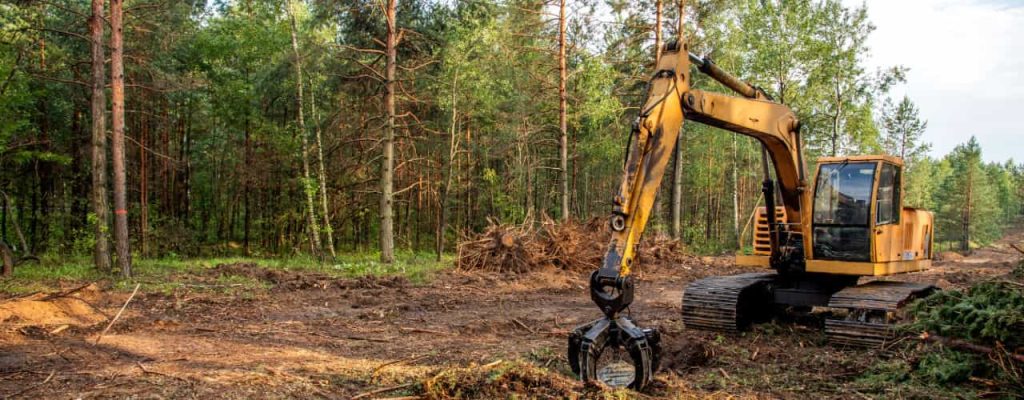
Land clearing is a critical process that involves the removal of trees, vegetation, and other obstacles from a designated area to prepare it for agricultural, commercial, or residential development. As urbanization and population growth continue to drive demand for land, understanding the intricacies of land clearing becomes essential. This practice not only shapes the physical landscape but also has significant environmental, economic, and social implications that need careful consideration.
While land clearing can facilitate progress and development, it also raises important questions about sustainability and ecological balance. The methods employed in land clearing can vary widely, with some approaches prioritizing efficiency and others emphasizing environmental stewardship. This article aims to explore the various techniques used in land clearing, the reasons behind this practice, and the potential impacts on ecosystems and communities, highlighting the delicate balance between development and preservation.
Techniques Used in Land Clearing
Various techniques are employed in land clearing, each with its own advantages and drawbacks. Mechanical methods, such as bulldozers and excavators, allow for rapid clearing of large areas, making them popular in commercial development. However, these methods can lead to soil compaction and increased erosion if not managed properly. Alternatively, ecological approaches, such as selective clearing and controlled burns, aim to minimize environmental impact by preserving certain trees and promoting natural regeneration. These methods are often associated with land clearing services that prioritize environmental stewardship while still meeting development goals.
Environmental and Social Impacts
The impacts of land clearing extend beyond the immediate landscape changes. Ecosystems can be significantly disrupted, leading to habitat loss for numerous species and affecting biodiversity. Socially, communities may face the consequences of changed land use, resulting in altered water flows, increased vulnerability to natural disasters, and shifts in local economies. The challenge lies in balancing development needs with environmental conservation, urging stakeholders to adopt more sustainable land clearing practices that consider long-term ecological health and community welfare.
In conclusion, land clearing is a multifaceted undertaking that requires a delicate balance between facilitating development and protecting our natural ecosystems. As the ever-growing demand for land intensifies, it becomes increasingly essential to adopt sustainable practices that prioritize ecological health while still accommodating human needs. By employing a spectrum of techniques—ranging from mechanical methods to more environmentally conscious strategies—stakeholders can mitigate negative effects on biodiversity and local communities. Ultimately, the future of land clearing lies in our ability to harmonize progress with preservation, ensuring that both the environment and society can thrive amidst ongoing change.
About The Author