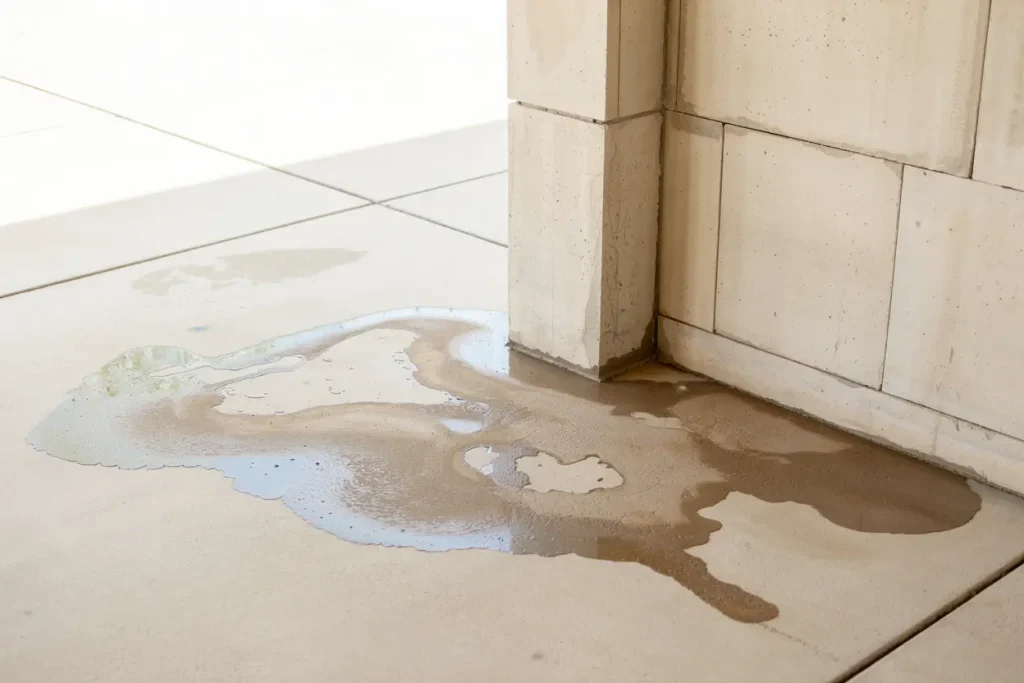
In an era where water conservation and infrastructure integrity are paramount, leak detection has emerged as a vital practice across various industries. From residential plumbing systems to extensive industrial pipelines, the ability to identify and address leaks promptly can save resources, prevent costly damage, and protect the environment. With advancements in technology, modern leak detection methods have evolved beyond traditional techniques, enabling quicker and more accurate identification of issues before they escalate into major problems.
This article delves into the significance of leak detection, exploring various techniques and innovations that are reshaping the landscape of environmental monitoring and maintenance. Whether it’s through acoustic monitoring, thermal imaging, or advanced sensor technologies, the evolution of leak detection methods equips homeowners, businesses, and municipalities with tools to safeguard their operations and conserve vital resources. Join us as we examine the latest trends and practices in leak detection, emphasizing its crucial role in ensuring both economic and ecological sustainability.
Innovative Leak Detection Techniques
Modern leak detection techniques are revolutionizing how water loss is managed across various sectors. Acoustic monitoring, for instance, utilizes sound waves to identify leaks in pipelines, allowing technicians to pinpoint the exact location without invasive excavation. Additionally, thermal imaging cameras can detect temperature differentials caused by water leaks, offering a non-intrusive way to assess both residential and industrial plumbing systems. These advancements not only improve the efficiency of leak detection but also contribute to sustainable water management practices essential in today’s environment.
Challenges and Solutions in Leak Management
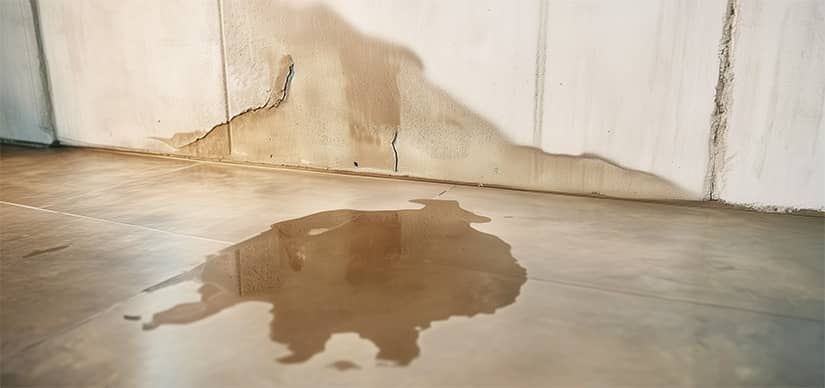
Despite the technological advancements, many still struggle with identifying leaks in complex systems. Regular maintenance and vigilance are crucial in mitigating these issues. For homeowners facing underground leaks, seeking professional help for slab leak repairs in Arlington can prevent further damage and costly repairs. By investing in reliable leak detection methods, both individuals and organizations can protect their infrastructures and significantly reduce water waste, thereby enhancing both economic stability and ecological responsibility.
In conclusion, the importance of effective leak detection cannot be overstated in our quest for sustainability and resource conservation. As we navigate the challenges posed by aging infrastructures and the pressing need for water efficiency, embracing innovative tools and techniques has become essential. By leveraging advancements in technology, such as acoustic monitoring and thermal imaging, we can significantly improve our ability to identify and mitigate leaks before they lead to catastrophic failures or resource wastage. Ultimately, proactive leak detection not only safeguards our physical assets but also reflects a commitment to environmental stewardship, paving the way for a sustainable future where both economic and ecological interests are harmoniously aligned.
About The Author