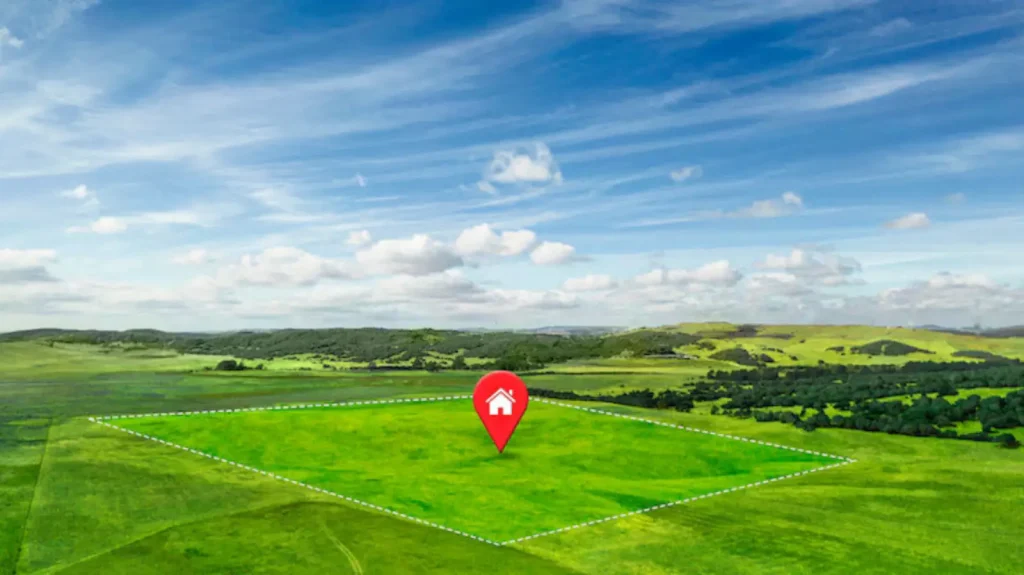
In today’s dynamic real estate market, selling land presents a unique opportunity for landowners and investors alike. Whether you’re looking to cash in on a parcel of undeveloped land, a commercial plot, or a rural retreat, understanding the intricacies of the selling process can maximize your returns. This article aims to guide you through the essential steps to effectively market and sell your land, highlighting key considerations and strategies that can set you on the path to a successful transaction.
From pinpointing the right pricing strategy to navigating zoning laws and attracting potential buyers, the process of selling land can be both rewarding and complex. By equipping yourself with the right information and resources, you can enhance your selling experience and achieve favorable outcomes. Join us as we explore the ins and outs of land sales, providing you with valuable insights to make informed decisions in your real estate journey.
Understanding Land Valuation
Pricing your land effectively is crucial to attracting potential buyers. Start by conducting a comprehensive market analysis to determine the value of similar properties in your area. Factors such as location, size, accessibility, and zoning regulations play a significant role in the valuation process. Additionally, consider engaging a professional appraiser who can provide a detailed analysis and help you set a competitive price. For landowners in specific regions, like Nevada, options are available to sell your Nevada lot fast, enhancing your chances of a quick and profitable sale.
Marketing Your Property Effectively
Once you have established a fair price, the next step is to market your land to reach a wider audience. Utilize online platforms, social media, and local listings to showcase your property, including high-quality photos and detailed descriptions of the land’s features and potential uses. Networking with local real estate agents can also expand your reach, as they often have access to a pool of interested buyers. Don’t underestimate the power of curb appeal: maintaining the land and ensuring it is accessible for viewings can significantly enhance buyer interest.
Finally, as you navigate the complexities of selling your land, it’s essential to remain patient and responsive throughout the negotiation process. Be prepared to answer potential buyers’ questions, and consider any offers carefully while keeping your ultimate goals in mind. Building a rapport with qualified buyers can foster trust and lead to smoother transactions. Moreover, ensuring that all necessary documentation is in order—such as title deeds, surveys, and zoning approvals—can prevent delays and legal complications when closing the sale. By staying informed, proactive, and adaptable, you set the stage for a successful land sale that meets your objectives and maximizes your investment.
About The Author