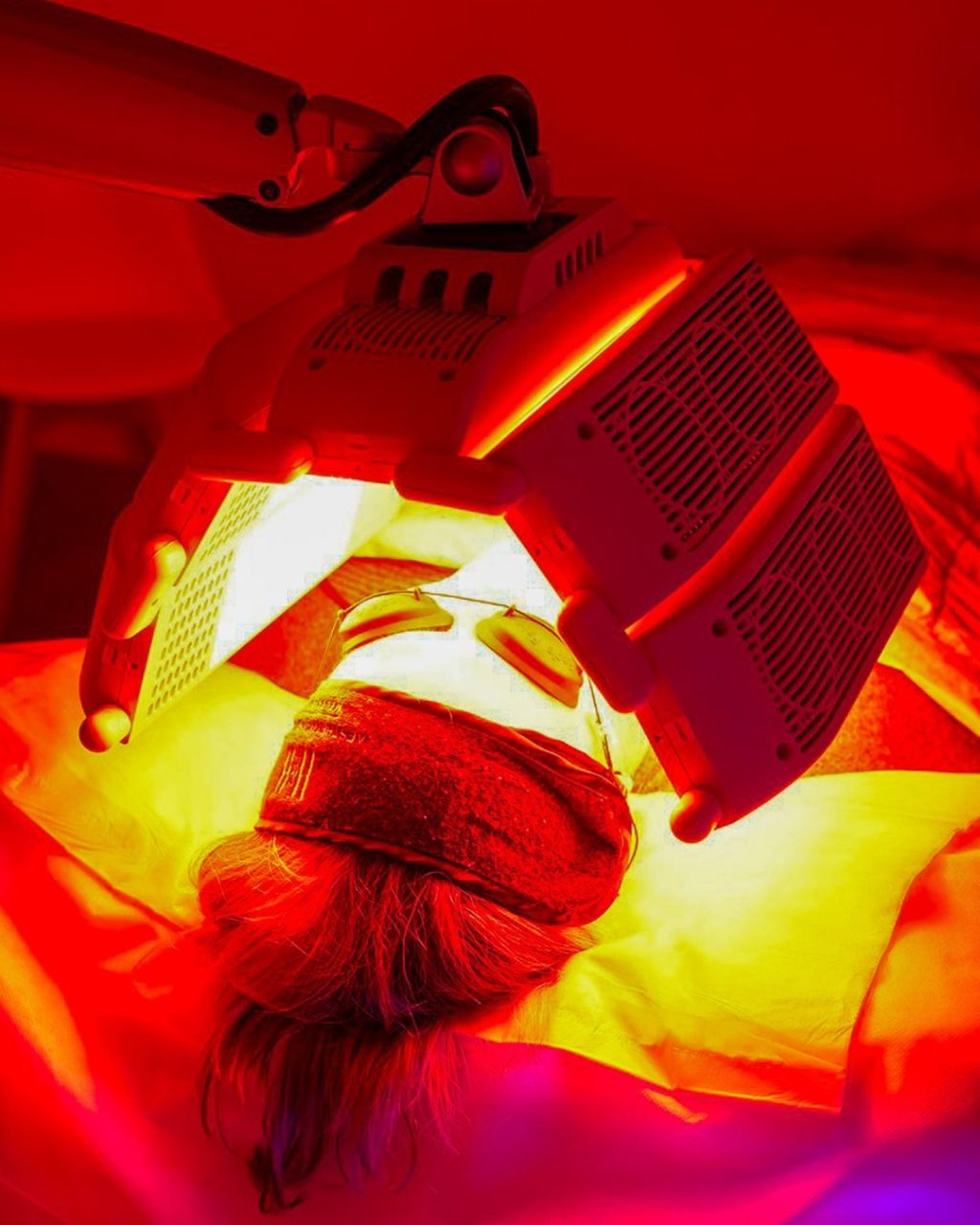
In recent years, red light therapy has emerged as a popular alternative treatment for various health concerns, including mood disorders. This non-invasive therapy utilizes specific wavelengths of light to penetrate the skin and promote healing at a cellular level. By stimulating the mitochondria, red light therapy enhances energy production within cells, leading to improved mood, reduced anxiety, and a greater sense of overall well-being. As researchers continue to explore the potential benefits of this innovative approach, many individuals are turning to red light therapy as a natural solution for emotional support and mental health enhancement.
The growing body of evidence supporting red light therapy for mood improvement not only sheds light on its mechanisms of action but also invites a wider conversation about holistic mental health treatments. As traditional therapeutic methods may not work for everyone, exploring alternatives like red light therapy opens new avenues for those seeking relief from the burdens of stress, depression, and anxiety. This article will delve into the science behind red light therapy, its psychological benefits, and practical tips for incorporating this therapy into your wellness routine to achieve emotional balance and resilience.
Understanding the Mechanisms of Red Light Therapy
Red light therapy works by harnessing specific wavelengths of light, typically in the red and near-infrared spectrum, to stimulate cellular processes. This stimulation enhances mitochondrial function, leading to increased adenosine triphosphate (ATP) production, which is crucial for cellular energy. As energy production in cells rises, so too does the potential for improved mood and emotional regulation. By promoting better blood flow and reducing inflammation, red light therapy may alleviate symptoms of anxiety and depression, providing a complementary treatment option for individuals seeking alternative solutions. For those interested in exploring this innovative approach further, information on Red Light Therapy For Mood can be particularly beneficial.
Incorporating Red Light Therapy into Your Wellness Routine
To effectively integrate red light therapy into your daily practice, consider setting aside a dedicated time for sessions, whether at home with a personal device or in a clinical setting. Start with short sessions, typically around 10-20 minutes, and gradually increase the duration as you become more accustomed to the therapy. Consistency is key for optimal results, so aim to incorporate red light therapy several times a week. Additionally, pairing the therapy with other holistic practices—such as mindfulness, meditation, or physical exercise—can further enhance emotional resilience and support mental health, offering a comprehensive approach to well-being.
In conclusion, red light therapy represents a promising avenue for enhancing mood and overall mental health, offering a non-invasive and scientifically-backed alternative for those grappling with mood disorders. By leveraging the power of specific light wavelengths to boost mitochondrial function and cellular energy, individuals may experience not only reductions in anxiety and stress but also an uplifted sense of emotional well-being. As people increasingly seek holistic approaches to mental health, integrating red light therapy into a broader wellness regimen—combined with mindfulness practices and physical activity—can foster resilience and emotional balance. With ongoing research illuminating its benefits, red light therapy stands poised to become an invaluable tool in the quest for improved mental health.
About The Author