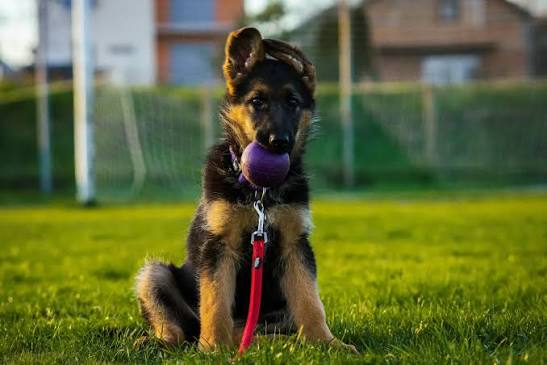
A purebred German Shepherd can fit family life very well, but pedigree alone does not decide whether a dog will be a good companion. What matters more is how the puppy was raised, how it behaves around people, and whether your household can meet the breed’s daily needs. German Shepherds are intelligent and highly engaged with their surroundings, so they usually do best in homes where they receive regular attention and guidance.
Temperament Should Guide Your Choice
Family life can be noisy and unpredictable, especially if children are involved. A puppy that recovers well after hearing unfamiliar sounds and remains comfortable around people may adjust more easily to a busy home.
Spend time observing how the puppy reacts during ordinary interactions. You want to see confidence without constant pushiness, while also avoiding a puppy that appears unusually fearful. Individual temperament can vary even among littermates, so choosing based on personality is often more useful than choosing based on appearance.
Family Life Requires Daily Involvement
German Shepherds usually need more engagement than a household can provide through occasional walks alone. Your dog will benefit from regular training and enough physical activity to prevent boredom from becoming a problem.
If everyone in the household follows the same basic rules, the puppy has a clearer idea of what is expected. Mixed messages can make learning harder. For example, allowing jumping during play but discouraging it when guests arrive can confuse a young dog.
Children can be part of training when an adult is supervising. Calm interactions help the puppy learn appropriate behavior around younger family members while teaching children how to respect the dog’s space.
Look Beyond Pedigree Papers
When you encounter purebred German Shepherd puppies for sale, pedigree information can be useful, but it should not replace questions about the puppy’s background. Registration shows ancestry, yet it does not tell you how well the puppy has been socialized or whether the parents have been screened for inherited health concerns.
Ask about the parents’ temperament and find out how the puppies spend their first weeks. A puppy raised with regular human contact may be better prepared for common household experiences than one with limited exposure.
Consider The Adult Dog You Will Have
That small puppy will eventually become a strong adult German Shepherd, so your decision should account for the years ahead. The breed can be deeply devoted to family members, but that attachment works best when the dog receives structure throughout its life.
Think realistically about whether you can continue training as the dog matures. Your schedule should also leave room for regular exercise and meaningful interaction.
For the right household, a purebred German Shepherd can become a dependable family companion. A successful match comes from choosing a puppy whose temperament fits your home and then giving that dog steady guidance as it grows.
About The Author