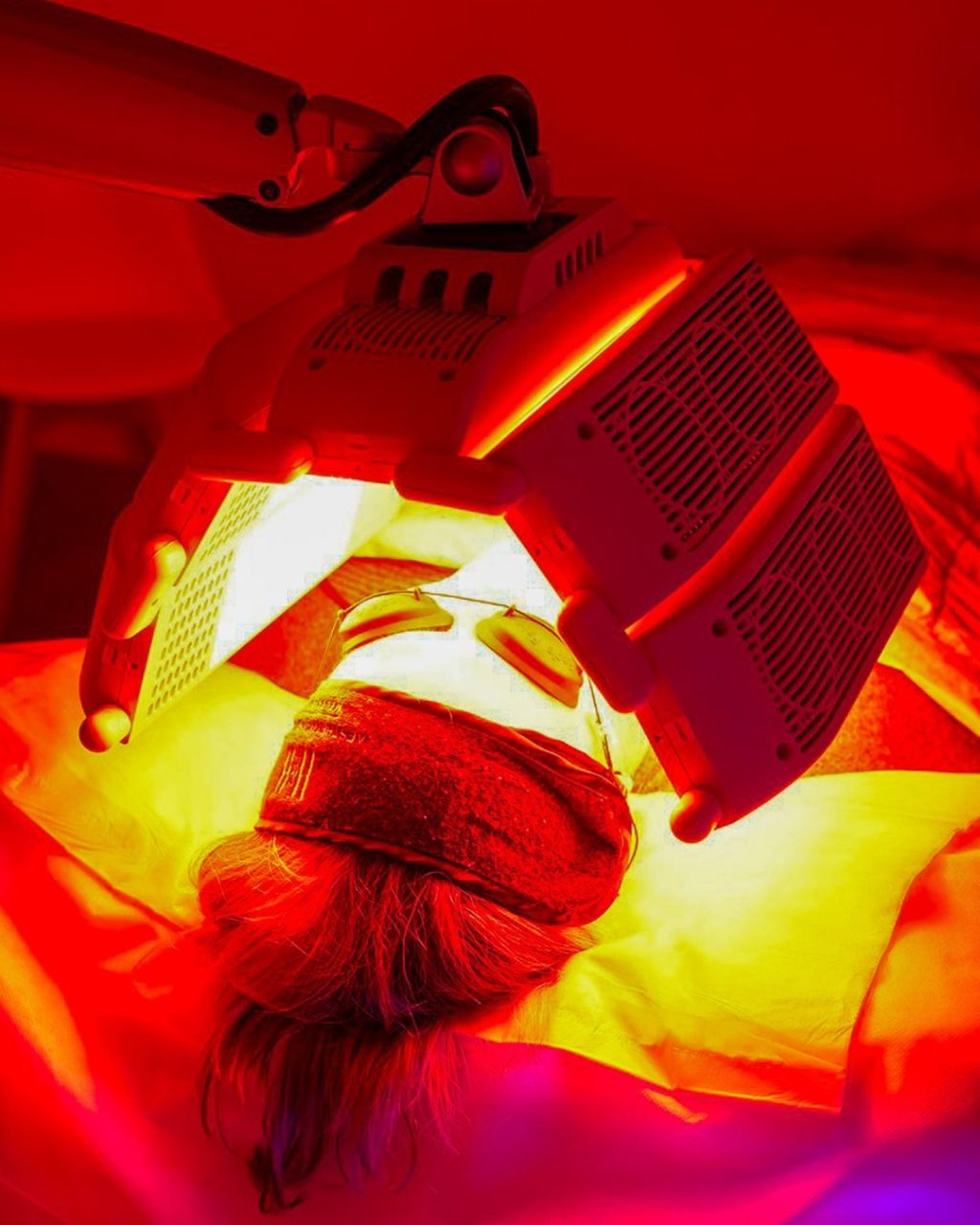
Red light therapy (RLT) has emerged as a groundbreaking treatment modality that harnesses the power of specific wavelengths of light to promote healing and enhance overall well-being. With roots in photobiomodulation, RLT is gaining traction in various fields, from dermatology to sports medicine, due to its non-invasive nature and lack of side effects. As researchers delve deeper into its potential applications, this therapy promises to transform how we approach pain management, skin rejuvenation, and even mood enhancement, making it a topic of increasing interest for both consumers and medical professionals alike.
This article explores the science behind red light therapy, its mechanisms, and the benefits it offers. We will discuss its applications in treating conditions such as acne, arthritis, and muscle recovery, as well as its potential for improving mental health. By understanding the principles and evidence supporting RLT, readers will gain insights into how this innovative therapy can be integrated into their health and wellness routines.
Mechanisms of Red Light Therapy
Red light therapy operates on the principle of photobiomodulation, where specific wavelengths of light are absorbed by the mitochondria in our cells. This absorption leads to increased ATP production, which is the energy currency of the cell, thereby promoting cellular repair and regeneration. The enhanced energy availability enables cells to function optimally, which is crucial for healing tissues and reducing inflammation. Many studies have demonstrated how RLT can accelerate wound healing and reduce pain by modulating inflammatory processes and supporting blood flow. For those curious about the underlying science, resources like What is The Science Behind Red Light Therapy provide deeper insights into this innovative therapy.
Applications and Benefits
The applications of red light therapy are vast, ranging from dermatological treatments for acne and scars to therapeutic uses in sports medicine for muscle recovery and joint pain relief. Patients suffering from chronic conditions such as arthritis have reported significant improvements in pain and mobility after incorporating RLT into their treatment plans. Moreover, emerging research indicates that RLT may also have beneficial effects on mental health, helping to alleviate symptoms of anxiety and depression through improved blood circulation and reduced oxidative stress. Its versatility makes RLT an appealing option for individuals seeking holistic approaches to enhance their health and well-being.
In conclusion, red light therapy stands at the forefront of modern health treatments, merging cutting-edge science with practical applications that cater to a wide range of needs. As we continue to unravel its numerous benefits—from accelerating physical healing and alleviating chronic pain to potentially improving mental health—RLT presents a promising non-invasive option for those looking to enhance their overall wellness. With ongoing research and increasing endorsement from both consumers and health professionals, red light therapy is poised to become a staple in integrative health practices, offering a beacon of hope for individuals seeking effective and safe therapeutic solutions. As awareness grows, integrating RLT into everyday health routines could lead to a transformative shift in how we manage both physical and psychological well-being.
About The Author