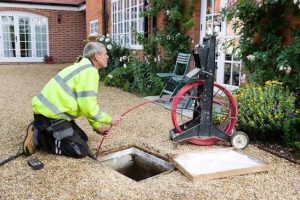
Mold growth in homes and buildings can pose significant health risks and structural damage if left unaddressed. Understanding the importance of mold inspection is crucial for homeowners and property managers. This article will explore the process of mold inspection, the signs that warrant an investigation, and the benefits of addressing mold issues promptly. By identifying mold problems early, you can safeguard the health of occupants and preserve the integrity of your property.
As environmental factors such as humidity and temperature fluctuate, mold spores can thrive in hidden corners, leading to potential infestations that are often overlooked. A thorough mold inspection involves a systematic examination of both visible and concealed areas, including walls, ceilings, and crawl spaces. With the right knowledge and tools, identifying mold can be straightforward, allowing for effective remediation strategies to be implemented, thereby protecting your living environment from the negative impacts of mold growth.
Signs of Mold Infestation
Detecting the early signs of mold infestation is essential for preventing significant health risks and property damage. Homeowners should be vigilant for indicators such as a musty odor, discoloration on walls or ceilings, and increased allergy symptoms among occupants. In areas prone to moisture—like bathrooms, kitchens, and basements—inspecting for water stains or condensation can provide clues to potential mold growth. Engaging in regular mold inspections can help you pinpoint issues before they escalate, making it crucial to consult professionals for an expert mold inspection when any of these signs are present.
The Value of Timely Remediation
Addressing mold problems promptly can save homeowners both time and money in the long run. If mold growth is allowed to persist, it can lead to costly renovations and severe health implications for those exposed to it, particularly individuals with respiratory conditions. Moreover, timely action not only mitigates health risks but also enhances property value by ensuring a safe and healthy living environment. Comprehensive mold removal plans often encompass containment, air quality testing, and repairing any water damage, transforming your property back into a secure space free from mold-related threats.
In conclusion, mold inspection is a critical step in maintaining a safe and healthy living environment. By remaining proactive and recognizing the signs of mold growth, homeowners and property managers can prevent the severe consequences associated with unchecked mold infestations. Engaging professional inspectors ensures a thorough assessment and effective remediation strategies that safeguard both health and property value. Ultimately, prioritizing mold inspections fosters peace of mind and protects against the extensive damage that mold can inflict, underscoring the vital role these evaluations play in property management and overall well-being.
About The Author