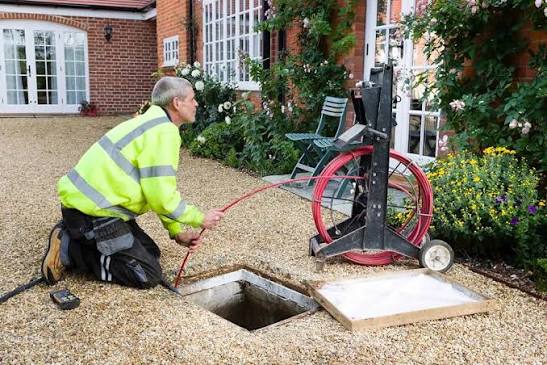
Blocked drains are a common household issue that can lead to significant inconvenience and potential damage if not addressed promptly. Whether it’s a kitchen sink, bathroom shower, or outdoor drain, understanding the causes and effects of blockages is crucial for every homeowner. In this article, we will explore the various factors that contribute to blocked drains, common signs to look out for, and the best practices for prevention and maintenance. Taking proactive measures can save you time, money, and headaches down the line.
In addition to the everyday nuisances caused by blocked drains, there are also health and environmental concerns to consider. Stagnant water can become a breeding ground for harmful bacteria and pests, while the resulting damage to your plumbing system can lead to costly repairs. By educating yourself on the intricacies of drain blockages, you’ll be better equipped to tackle these issues head-on and maintain a functional and safe living space. Join us as we delve deeper into this pervasive problem and uncover effective solutions.
Common Causes of Blocked Drains
Blocked drains can result from a variety of factors, ranging from natural wear and tear to improper disposal of waste. Food scraps, grease, and soap residue often accumulate in kitchen sinks, while hair and soap scum are typical culprits in bathroom showers. Outdoors, leaves, dirt, and debris can obstruct drainage systems, especially during heavy rains. It’s essential for homeowners to understand the potential risks and know who’s responsible for blocked drains, as this knowledge can aid in quicker resolution of issues and help prevent future blockages.
Signs of Drain Blockages
Being aware of the signs that indicate a blockage can help you act promptly to avoid more significant issues. Slow drainage, unusual gurgling sounds, or unpleasant odors emanating from drains are all indicators of potential problems. Homeowners should regularly monitor their drainage systems and conduct routine maintenance to ensure optimal function. Addressing these minor issues as they arise can save significant time and money by preventing more severe plumbing problems down the line.
Solutions and Prevention
To effectively manage blocked drains, it’s essential to embrace a proactive approach that includes routine maintenance and proper disposal practices. Regularly clearing debris from outdoor drains and using drain strainers in sinks and showers can significantly reduce the risk of blockages. For stubborn clogs, natural solutions such as baking soda and vinegar can provide an eco-friendly remedy, while professional plumbing services should be called for persistent issues or severe blockages. Additionally, educating your household on what can and cannot be flushed or washed down the drain will further reinforce preventative measures. By prioritizing these practices, homeowners can ensure their plumbing systems remain functional and efficient, leading to a healthier living environment and saving time and money in the long run.
About The Author