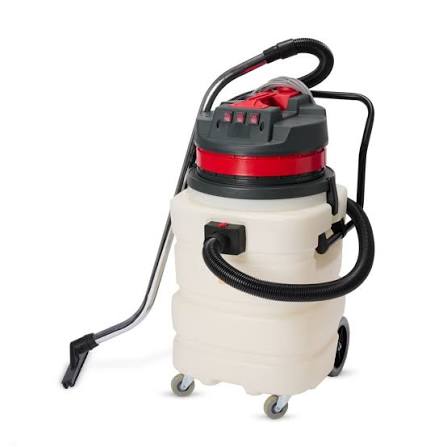
Vacuum cleaner bags are an essential component of many vacuum cleaner systems, playing a crucial role in maintaining cleanliness and efficiency in our homes and workplaces. Despite the rise of bagless technology, vacuum bags continue to be favored for their simplicity, effective filtration, and ease of disposal. Understanding the types, benefits, and proper usage of vacuum cleaner bags can significantly enhance the vacuuming experience and contribute to better air quality by trapping dust, allergens, and other particles.
In this article, we will explore the various types of vacuum cleaner bags available on the market, including paper, cloth, and HEPA options, each offering unique advantages and suited for different cleaning needs. We will also discuss how to choose the right vacuum bag for your specific model, the importance of regular bag replacement, and tips for maximizing the performance of your vacuum cleaner. By the end, readers will gain valuable insights into the often-overlooked but vital role vacuum cleaner bags play in effective home maintenance.
Types of Vacuum Cleaner Bags
Vacuum cleaner bags come in various types, each designed to cater to specific cleaning environments and preferences. Paper bags are among the most commonly used, offering cost-effectiveness and good filtration for general household dust and debris. Cloth bags, on the other hand, are reusable, durable, and better suited for larger particulate matter, making them a sustainable option for those who prefer minimal waste. For allergy sufferers, HEPA bags provide the highest level of filtration, capturing 99.97% of particles, including dust mites, pollen, and pet dander. Understanding these options allows consumers to select the right Vacuum Cleaner Bags that align with their specific needs and goals for a cleaner living environment.
Importance of Regular Bag Replacement
Regular replacement of vacuum cleaner bags is crucial for maintaining optimal performance and air quality within your home. As bags fill up, their efficiency decreases, leading to reduced suction power and the potential for dust and allergens to escape back into the air. Clogged or overfilled bags can also strain the vacuum cleaner motor, decreasing its lifespan and requiring costly repairs. Establishing a routine for checking and replacing bags—not just when they’re full—can enhance your vacuuming experience, ensuring it operates effectively and contributes to a healthier living space.
In conclusion, vacuum cleaner bags, though often overlooked in the era of advanced cleaning technology, remain a vital part of maintaining a clean and healthy environment. By understanding the various types of bags—paper, cloth, and HEPA—and recognizing the importance of regular replacement, users can optimize their vacuum cleaners’ performance. Implementing these practices not only extends the lifespan of the vacuum cleaner but also ensures that dust, allergens, and harmful particles are effectively captured, allowing for improved indoor air quality. As we strive for cleanliness and comfort in our homes, taking care of this seemingly simple component can make a significant difference in our overall health and well-being.
About The Author